
Non-Runner Selection Handling in Cancelled Events
Picture this scenario: you’ve placed a carefully calculated bet on your favourite horse at the Mumbai Race Course, only to discover minutes before the race that your selection has been withdrawn due to injury. Meanwhile, another punter faces the frustration of a cricket match being abandoned due to Delhi’s severe air pollution just when their team was gaining momentum. These situations highlight the critical importance of understanding non-runner selection handling and event cancellation policies in India’s diverse sporting landscape.
A non-runner refers to any horse, player, or team that was initially entered or declared for an event but fails to participate for various reasons after betting markets have opened. Similarly, cancelled or abandoned events occur when sporting contests cannot be completed due to circumstances beyond the organisers’ control. In India’s unique betting environment, these situations are governed by adapted UK racing rules combined with local regulatory considerations, creating a complex framework that directly impacts punters’ stakes and potential returns.
The financial implications of non-runners and cancelled events extend far beyond simple refunds. Indian punters must navigate sophisticated mechanisms like Tattersalls Rule 4 deductions, understand the nuances of voiding policies across different bet types, and recognise how local challenges such as monsoon disruptions or regulatory interventions can affect their wagering strategies. From the bustling racecourses of Bangalore to the cricket stadiums of Kolkata, these rules determine whether your hard-earned money returns to your account or disappears into complex deduction calculations that many punters fail to fully comprehend.
What is a Non-Runner in Betting?
In the Indian betting context, a non-runner represents any participant that was officially declared or entered for an event but subsequently fails to take part after betting markets have opened. This concept, adapted from traditional UK racing rules, encompasses situations where horses are withdrawn from races, cricketers are ruled out due to injury, or football teams face last-minute player exclusions. The key distinguishing factor is that betting operators have already accepted wagers on these participants, creating financial obligations that must be resolved through established protocols.
The distinction between non-runners and simple scratches or withdrawals lies in timing and market exposure. While a horse withdrawn before betting markets open creates no complications, a non-runner emerges after punters have committed their stakes based on the participant’s inclusion. Indian bookmakers, operating under adapted UK regulatory frameworks, must then apply specific rules to protect both operator and customer interests. This system ensures fairness while maintaining market integrity across diverse sporting disciplines popular in India.
Understanding non-runner classifications becomes particularly crucial when betting on events like the Indian Premier League, where player availability can change rapidly due to international commitments, or horse racing at venues like the Royal Western India Turf Club, where track conditions and veterinary concerns frequently affect final declarations. The financial implications extend beyond individual bets to affect complex wagering strategies including accumulators and system bets.
Types of Non-Runners
Non-runners in Indian betting markets arise from various circumstances, each carrying different implications for stake management and Rule 4 deductions. Understanding these categories helps punters anticipate potential outcomes and make informed wagering decisions.
- Ballot Non-Runners: When more horses are entered than the track can accommodate, some are removed through balloting procedures, particularly common at premier Indian racing venues during festival meetings
- Veterinary Withdrawals: Horses withdrawn due to injury or illness after final declarations, frequently occurring in India’s challenging climate conditions that can affect equine health
- False Start Eliminations: Participants disqualified for false starts or rule violations, particularly relevant in track and field events and horse racing
- Player Unavailability: Cricket or football players ruled out due to injury, international duty, or disciplinary action after team sheets are published
- Equipment Failures: Motorsport participants unable to start due to technical issues, common in Indian racing circuits
- Weather-Related Withdrawals: Participants withdrawn when conditions become unsuitable, particularly during monsoon seasons affecting outdoor sports across India
Non-Runner vs Withdrawn Horses
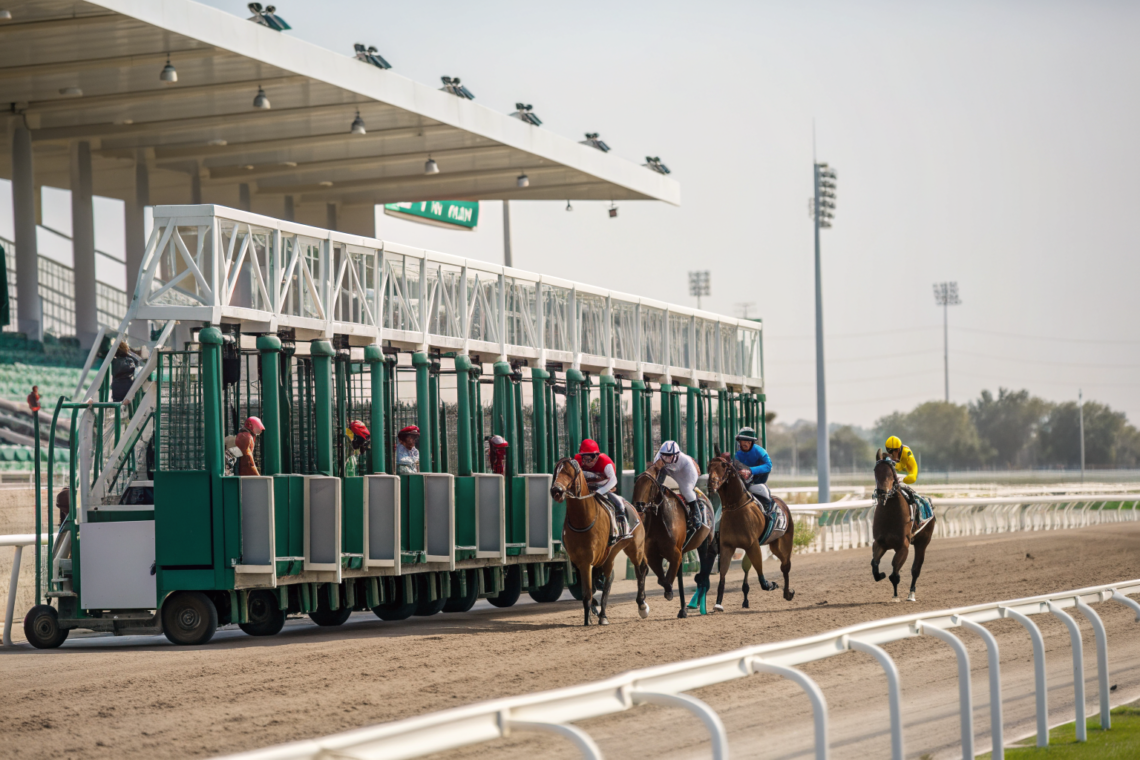
The critical distinction between non-runners and withdrawn horses centres on the phrase “under starters orders.” A horse that reaches the starting stalls or comes under starters orders but then refuses to start or is withdrawn still counts as a runner for betting purposes. This means all bets on such horses are settled as losers, with no refunds or Rule 4 deductions applied to other selections. This rule protects the integrity of betting markets and prevents manipulation through last-second withdrawals.
Conversely, horses withdrawn before coming under starters orders are classified as non-runners, triggering automatic stake refunds for direct win or place bets on those selections. However, this withdrawal may result in Rule 4 deductions being applied to winning bets on other horses, compensating for the reduced field size and altered odds. Indian racing stewards strictly enforce these timing distinctions, ensuring consistent application across all major racing venues from Mumbai to Bangalore.
Handling Non-Runners Before Event Start
When non-runners are declared before an event begins, bookmakers must implement systematic procedures to protect both customer interests and market integrity. The timing of these declarations significantly influences how stakes are managed and whether deductions apply to remaining participants.
| Scenario | Stake Outcome | Other Bets Impact | India Example |
|---|---|---|---|
| Single Non-Runner (4+ remaining runners) | Full refund on non-runner bets | Rule 4 deduction applied to winners | Horse withdrawn at Mumbai Race Course |
| Multiple Non-Runners | Refunds for all non-runner stakes | Combined Rule 4 deductions | IPL match with multiple player withdrawals |
| Non-Runner No Bet (NRNB) markets | Refund with no deductions | No Rule 4 applied | Ante-post cricket betting protection |
| Field reduces to 3 or fewer runners | Event may be declared void | All bets refunded | Bangalore horse race with insufficient runners |
| Late withdrawal (under starters orders) | Bets settled as losers | No deductions or refunds | Horse refuses to start at Kolkata Race Course |
Rule 4 Deduction Calculations
Tattersalls Rule 4 represents the cornerstone of fair betting practices when non-runners affect market dynamics. This sophisticated system calculates deductions based on the withdrawn participant’s odds at the time of withdrawal, ensuring that punters who backed remaining selections don’t benefit unfairly from improved odds caused by the non-runner. In the Indian context, these deductions follow standardised tables that apply percentage reductions to winning bets, with shorter-priced non-runners resulting in larger deductions.
Cancelled and Abandoned Events Rules
Event cancellations and abandonments present complex challenges for Indian betting markets, particularly given the country’s diverse climate conditions and regulatory environment. A cancelled event refers to a contest that never begins, while an abandoned event starts but cannot be completed. The distinction significantly impacts bet settlement, with specific rules governing how much of an event must be completed for bets to stand. These protocols become particularly relevant during India’s monsoon season, when cricket matches face frequent interruptions, or during periods of severe air pollution that can force the postponement of outdoor sporting events.
The 24-hour and 48-hour postponement rules form the backbone of cancellation policies across Indian betting markets. Generally, if an event is rescheduled to take place within 24 to 48 hours of its original start time (depending on the bookmaker), all bets remain active and transfer to the new schedule. However, postponements beyond this window typically result in all bets being declared void, with stakes returned to customers. This framework helps manage the practical challenges of maintaining betting positions over extended delays while providing clarity for punters planning their wagering strategies.
Indian bookmakers must also navigate unique local challenges when implementing cancellation policies. The country’s complex regulatory landscape means that events can be cancelled due to legal interventions, security concerns, or administrative decisions that don’t occur in more established betting jurisdictions. Additionally, the seasonal nature of many Indian sports, combined with infrastructure limitations, can create situations where events are postponed indefinitely rather than rescheduled within standard timeframes. These scenarios require careful interpretation of force majeure clauses and local regulatory guidance.
Weather-related cancellations deserve special attention in the Indian context, where monsoon patterns can dramatically affect sporting schedules. Cricket, being particularly vulnerable to rain delays, has developed sophisticated systems for determining when matches are abandoned versus merely delayed. The Duckworth-Lewis-Stern method for limited-overs cricket creates specific betting settlement scenarios, while Test matches face different criteria for determining whether sufficient play has occurred for betting purposes. Similar considerations apply to other outdoor sports, from football to horse racing, each with sport-specific thresholds for completion.
Postponement Policies
Managing postponed events requires systematic approaches that balance customer protection with operational practicality. Indian bookmakers follow structured protocols to ensure consistent handling across different sports and circumstances.
- Immediate Assessment: Upon notification of postponement, operators must quickly determine whether the delay falls within their standard continuation window, typically 24-48 hours depending on the sport and bookmaker policy
- Customer Communication: Punters are notified through multiple channels about the postponement status and whether their bets remain active or will be voided, with particular attention to Indian languages and regional preferences
- Market Suspension: All further betting on the affected event is immediately suspended to prevent complications arising from changed circumstances or participant availability
- Rescheduling Evaluation: Operators assess whether the rescheduled event maintains the same participants, venue, and format, as changes to these factors may trigger different settlement rules
- Final Settlement Decision: Based on the postponement duration and any changes to event parameters, bets are either transferred to the new date or declared void with full stake refunds processed
Walkovers and No-Race Scenarios
Walkover situations, where only one participant remains in a contest, create unique challenges for betting settlement. In horse racing, a walkover technically constitutes a valid race, but most bookmakers void all bets due to the absence of genuine competition. This policy protects punters from situations where backing an odds-on favourite in a competitive field results in settling at walkover odds that don’t reflect the original risk assessment. Indian racing venues occasionally experience walkovers, particularly in lower-grade races where small fields can quickly be reduced by multiple withdrawals.
No-race scenarios emerge when insufficient participants remain to constitute a valid contest, typically when fields fall below minimum requirements. In Indian horse racing, this usually means fewer than three runners, though specific rules vary by racing authority and event type. When races are declared “no race,” all betting is voided regardless of the stakes involved, providing complete protection for punters while maintaining the integrity of competitive wagering markets.
India-Specific Regulations and Challenges
India’s unique sporting and regulatory environment creates specific challenges for non-runner and cancellation policies that don’t exist in more established betting jurisdictions. The country’s diverse climate patterns, from extreme heat waves to severe monsoons, regularly affect sporting schedules in ways that require flexible policy interpretations. Additionally, India’s complex legal framework surrounding betting creates situations where events may be cancelled due to regulatory interventions rather than traditional sporting reasons.
The Indian Premier League exemplifies these unique challenges, with matches affected by everything from air pollution in Delhi to security concerns in various venues. Player availability becomes particularly complex when international cricket schedules conflict with IPL commitments, creating non-runner scenarios that require sophisticated handling. Similarly, the country’s horse racing industry faces unique pressures from animal welfare concerns, extreme weather, and infrastructure limitations that can result in race abandonments or multiple non-runners that exceed standard international protocols.
- Monsoon Disruptions: India’s intense monsoon seasons create systematic challenges for outdoor sports, requiring extended postponement windows and flexible rescheduling policies that accommodate seasonal weather patterns rather than isolated events
- Air Quality Cancellations: Severe pollution levels, particularly in northern India, can force event cancellations on health grounds, creating force majeure situations not typically covered in standard international betting rules
- Regional Security Concerns: Political tensions or security alerts can result in immediate event cancellations, often with minimal advance notice, requiring rapid bet settlement decisions
- Infrastructure Limitations: Venue capacity issues or facility problems can force event relocations or cancellations, particularly affecting smaller racing venues and regional sporting events
- Regulatory Interventions: State-level legal challenges or administrative decisions can result in event cancellations that fall outside traditional sporting force majeure clauses
- Festival Period Complications: Major Hindu festivals can affect event scheduling and participant availability, creating predictable but complex non-runner scenarios
- International Player Availability: Complex visa and travel regulations can create last-minute non-runner situations, particularly in cricket and football where international players frequently participate in domestic leagues
Legal Implications in India
The doctrine of frustration of contract becomes particularly relevant in Indian betting contexts, where events may be cancelled due to circumstances beyond anyone’s reasonable control. COVID-19 provided numerous examples of this principle in action, with entire sporting seasons cancelled or dramatically restructured, forcing betting operators to invoke force majeure clauses and declare all related bets void. These precedents established important legal frameworks for handling extreme disruption scenarios that extend far beyond traditional weather-related cancellations.
Indian contract law recognises specific circumstances that can frustrate betting agreements, including government intervention, natural disasters, and public health emergencies. However, the application of these principles to betting contracts requires careful consideration of local regulatory frameworks and state-specific gambling laws. The complexity increases when dealing with events that span multiple Indian states, each with different legal approaches to gambling and betting activities.
Recent legal developments have also highlighted the importance of clear terms and conditions regarding event cancellations and non-runners. Indian courts have generally supported bookmakers’ rights to void bets in genuine force majeure situations, but have also emphasised the need for fair and transparent policies that don’t unduly favour operators over customers. This legal environment requires betting companies to maintain robust documentation and clear communication regarding their cancellation and non-runner policies, particularly when operating in India’s complex regulatory landscape.
Major Bookmakers’ Policies in India
Leading betting platforms operating in the Indian market have developed sophisticated policies for handling non-runners and cancelled events, though these must be inferred from their general terms and conditions rather than explicit Indian-specific rules due to the complex legal environment. These policies generally follow international best practices while incorporating flexibility for India’s unique challenges.
| Bookmaker | Non-Runner Rule | Cancelled Event Rule | Deduction Applied |
|---|---|---|---|
| Platform A | Full refund on non-runners | 48-hour postponement window | Standard Rule 4 deductions |
| Platform B | NRNB available on selected events | 24-hour postponement window | Reduced Rule 4 on NRNB bets |
| Platform C | Accumulator protection available | 48-hour window with venue flexibility | Maximum 75% Rule 4 deduction |
| Platform D | Best odds guaranteed protection | Sport-specific postponement rules | Graduated Rule 4 scale |
| Platform E | Enhanced each-way terms | 72-hour window for major events | No deduction on enhanced odds |
| Platform F | Automatic void in 3-runner fields | Weather-specific extensions | Capped at 50% for multiple non-runners |
Multiples and Accumulators
When non-runners affect accumulator bets, the standard approach involves treating the affected selection as a void leg, reducing the accumulator by one selection while maintaining the remaining combinations. For example, a five-fold accumulator with one non-runner becomes a four-fold accumulator at adjusted odds. However, some operators offer accumulator insurance products that provide enhanced protection, either through refunds if a certain number of legs void or by maintaining original odds despite non-runners.
The complexity increases with system bets, where multiple combinations may be affected by a single non-runner. Indian punters using complex staking plans must understand how their chosen platform handles these scenarios, as policies can vary significantly between operators. Some platforms maintain all possible combinations from remaining selections, while others may void entire system components if too many legs are affected by non-runners.
Each-Way and Place Bets
Each-way betting requires special consideration when non-runners occur, as the place terms may be adjusted based on the final number of runners. In horse racing, the reduction from eight runners to seven due to a non-runner changes the place terms from 1/5 odds for three places to 1/4 odds for three places under standard rules. However, some bookmakers offer enhanced each-way terms that maintain original conditions despite non-runners, providing additional value for punters.
Place-only betting faces similar adjustments, with some operators guaranteeing minimum place payouts regardless of field size changes due to non-runners. This protection becomes particularly valuable in competitive Indian horse racing where multiple late withdrawals can significantly impact place betting dynamics. Understanding these nuances helps punters select the most appropriate betting strategies for events with high non-runner potential.
Tips for Punters in India
Successfully navigating non-runner and cancellation scenarios requires proactive strategies and thorough understanding of betting operators’ policies. Indian punters face unique challenges due to the country’s diverse climate patterns and complex sporting schedules, making preparation even more crucial for protecting wagering investments.
- Monitor Weather Forecasts Religiously: Given India’s extreme weather patterns, always check multiple weather sources before placing bets on outdoor events, particularly during monsoon seasons when conditions can change rapidly and affect multiple venues simultaneously
- Utilise Non-Runner No Bet (NRNB) Markets: When available, NRNB betting provides complete protection against non-runner scenarios at the cost of slightly reduced odds, making it ideal for ante-post betting on major events like IPL matches or prestigious horse races
- Understand Platform-Specific Policies: Each betting operator has different rules regarding postponement windows, Rule 4 deductions, and accumulator protection, so familiarise yourself with your chosen platform’s specific terms before placing significant wagers
- Time Your Bets Strategically: Place bets as close to event start times as possible to minimise non-runner risk, but balance this against potentially better odds available in ante-post markets for major events
- Diversify Across Multiple Platforms: Different operators may offer varying levels of protection against non-runners and cancellations, allowing you to select the most favourable terms for different types of bets and sporting events
- Keep Detailed Records: Maintain comprehensive records of all bets, including non-runner refunds and Rule 4 deductions, to accurately track your betting performance and identify patterns in operator policies
- Consider Insurance Products: Some platforms offer accumulator insurance or bet protection products that can shield complex wagers from non-runner impacts, though these typically come at reduced odds or additional costs
Common Mistakes to Avoid
Even experienced punters can fall into predictable traps when dealing with non-runners and event cancellations in the Indian betting environment. Recognising these common errors helps protect both stakes and profits.
- Ignoring Rule 4 Impact on Returns: Many punters celebrate winning bets without realising that Rule 4 deductions have significantly reduced their returns, leading to disappointment and poor bankroll management decisions
- Betting After Final Declarations: Placing wagers after declaration stages increases non-runner risk substantially, as most withdrawals occur in the final hours before events when veterinary or fitness concerns emerge
- Overlooking Venue-Specific Risks: Certain Indian sporting venues have higher cancellation rates due to infrastructure limitations, security concerns, or environmental factors that should influence betting strategy selection
- Misunderstanding Accumulator Protection: Assuming all operators handle voided accumulator legs identically can lead to unexpected settlement outcomes, particularly with complex system bets involving multiple selections
- Failing to Check Postponement Windows: Not verifying whether your betting platform uses 24-hour, 48-hour, or longer postponement windows can result in unexpected bet voids when you expected positions to remain active
- Neglecting Sport-Specific Rules: Different sports have varying approaches to non-runners and cancellations, and applying horse racing knowledge to cricket betting or vice versa often leads to incorrect assumptions about settlement procedures